PRICE PER EGG, MAX 6 EGGS
Goslings: $80/female, $40/male
Note: For autosexing geese (Cotton Patch and Pilgrim), I require a 1:2 male:female ratio on orders.
Note: Hatching eggs will only be listed available after I have filled my incubators.
My flock is entirely solid-colored and includes three distinct lines. The Pennsylvania line consists of one pair and one trio, while the Walker line includes a trio of its own. We also have Stellaris, a Walker/James female currently awaiting a mate for next year's breeding season (2028 Breeding Season). Goslings are autosexing — females come in two color phases: solid (dove-gray, similar to a Pilgrim goose but lighter) and pied, also called saddleback (mostly white with a gray patch over the back). Ganders in both phases mature mostly white with a bit of dove-gray on the wings and tail.
Conservation status: Threatened (The Livestock Conservancy)
Country of origin: Southern United States (exact origin unknown — historically used for weeding cotton and corn fields through the 1950s)
Standard of Perfection: Not currently recognized by the APA
Eggs laid per year: Up to 90
Weight class: Light weight — geese 8-10 lbs, ganders 9-12 lbs
Flight ability: Fly well once past their first year, unlike most domestic geese
Join the 2027 waitlist here
For questions, feel free to reach out — here
PRICE PER EGG, MAX 6 EGGS
Goslings: $80/female, $40/male
Note: For autosexing geese (Cotton Patch and Pilgrim), I require a 1:2 male:female ratio on orders.
Note: Hatching eggs will only be listed available after I have filled my incubators.
My flock is entirely solid-colored and includes three distinct lines. The Pennsylvania line consists of one pair and one trio, while the Walker line includes a trio of its own. We also have Stellaris, a Walker/James female currently awaiting a mate for next year's breeding season (2028 Breeding Season). Goslings are autosexing — females come in two color phases: solid (dove-gray, similar to a Pilgrim goose but lighter) and pied, also called saddleback (mostly white with a gray patch over the back). Ganders in both phases mature mostly white with a bit of dove-gray on the wings and tail.
Conservation status: Threatened (The Livestock Conservancy)
Country of origin: Southern United States (exact origin unknown — historically used for weeding cotton and corn fields through the 1950s)
Standard of Perfection: Not currently recognized by the APA
Eggs laid per year: Up to 90
Weight class: Light weight — geese 8-10 lbs, ganders 9-12 lbs
Flight ability: Fly well once past their first year, unlike most domestic geese
Join the 2027 waitlist here
For questions, feel free to reach out — here
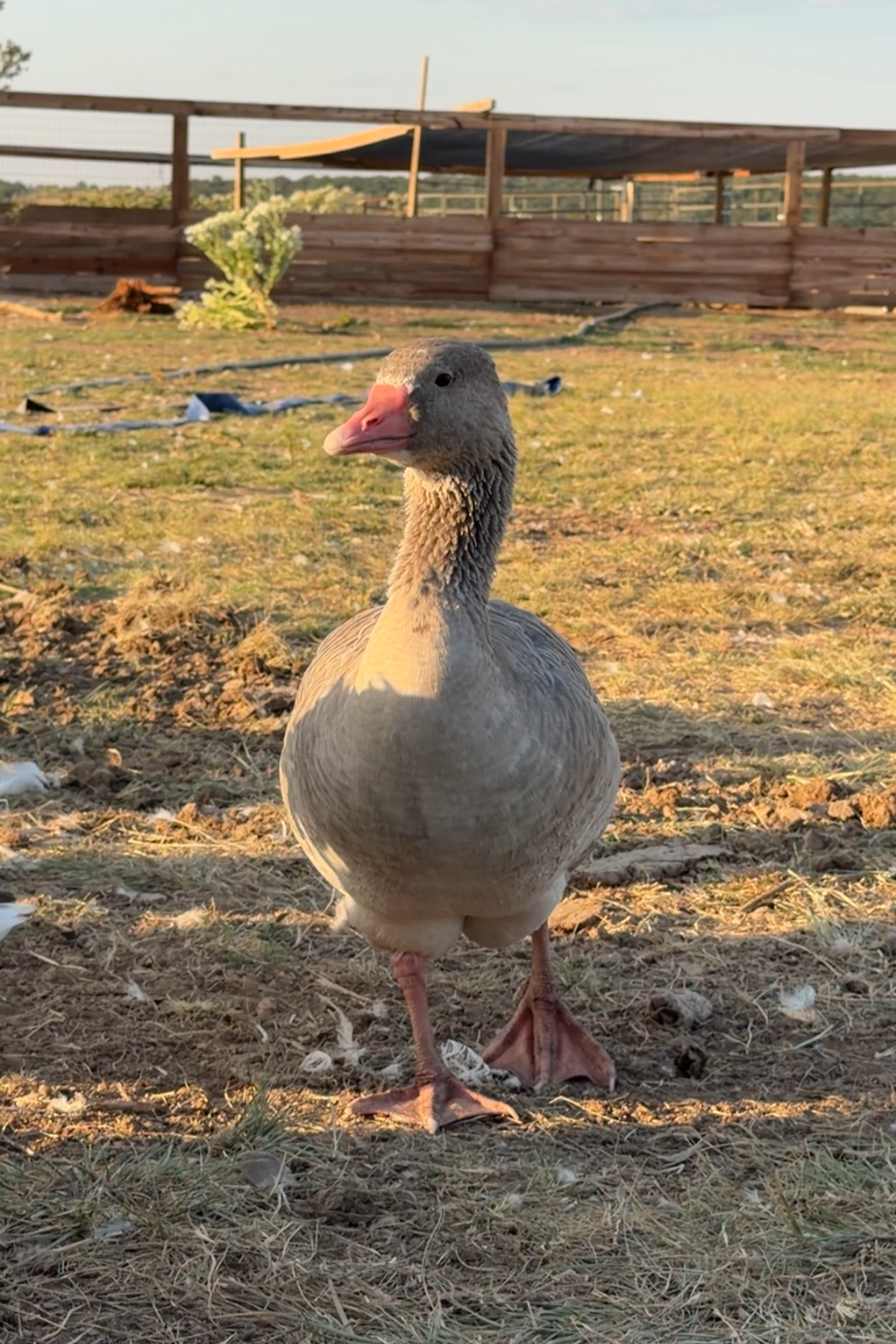 Image 1 of 9
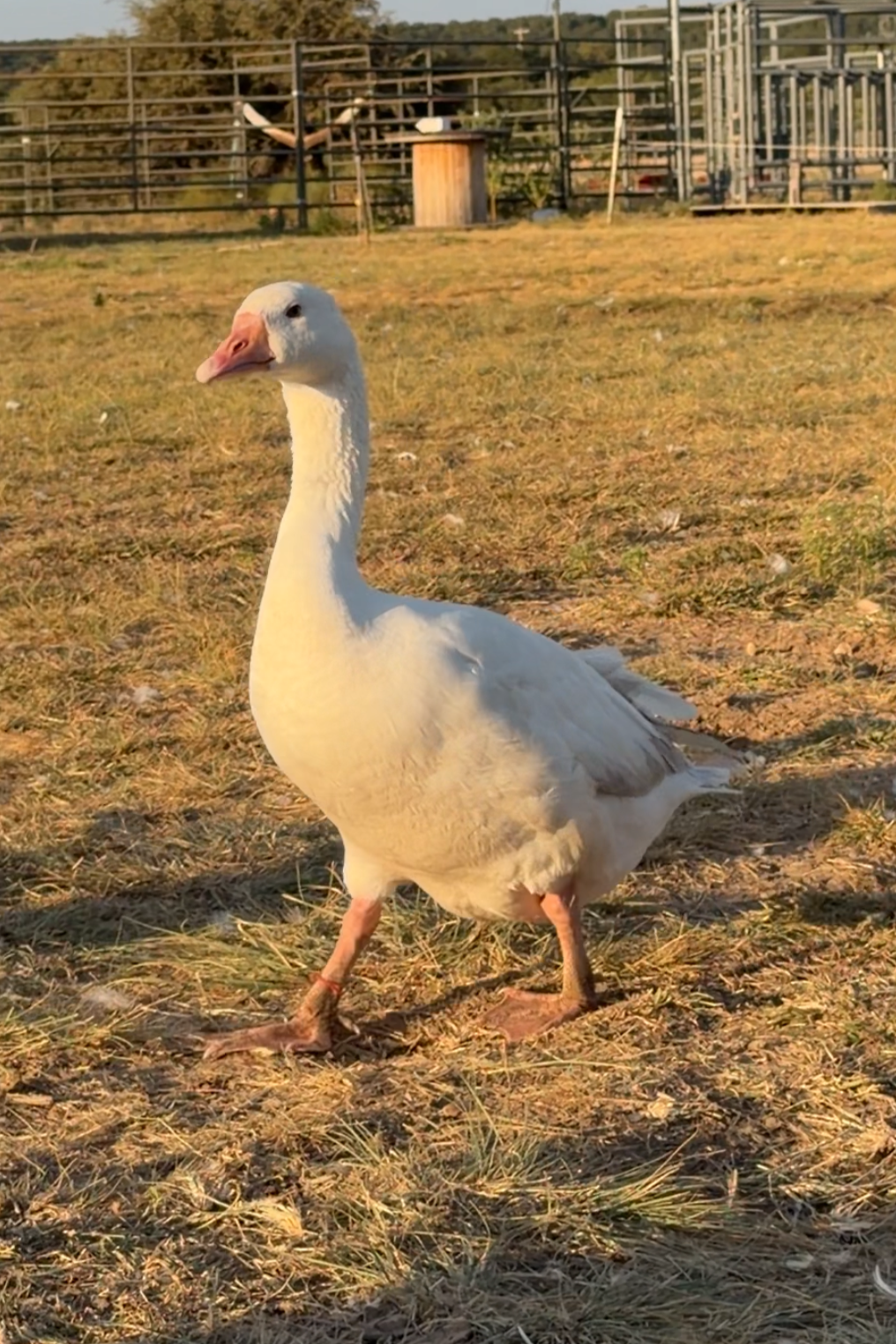 Image 2 of 9
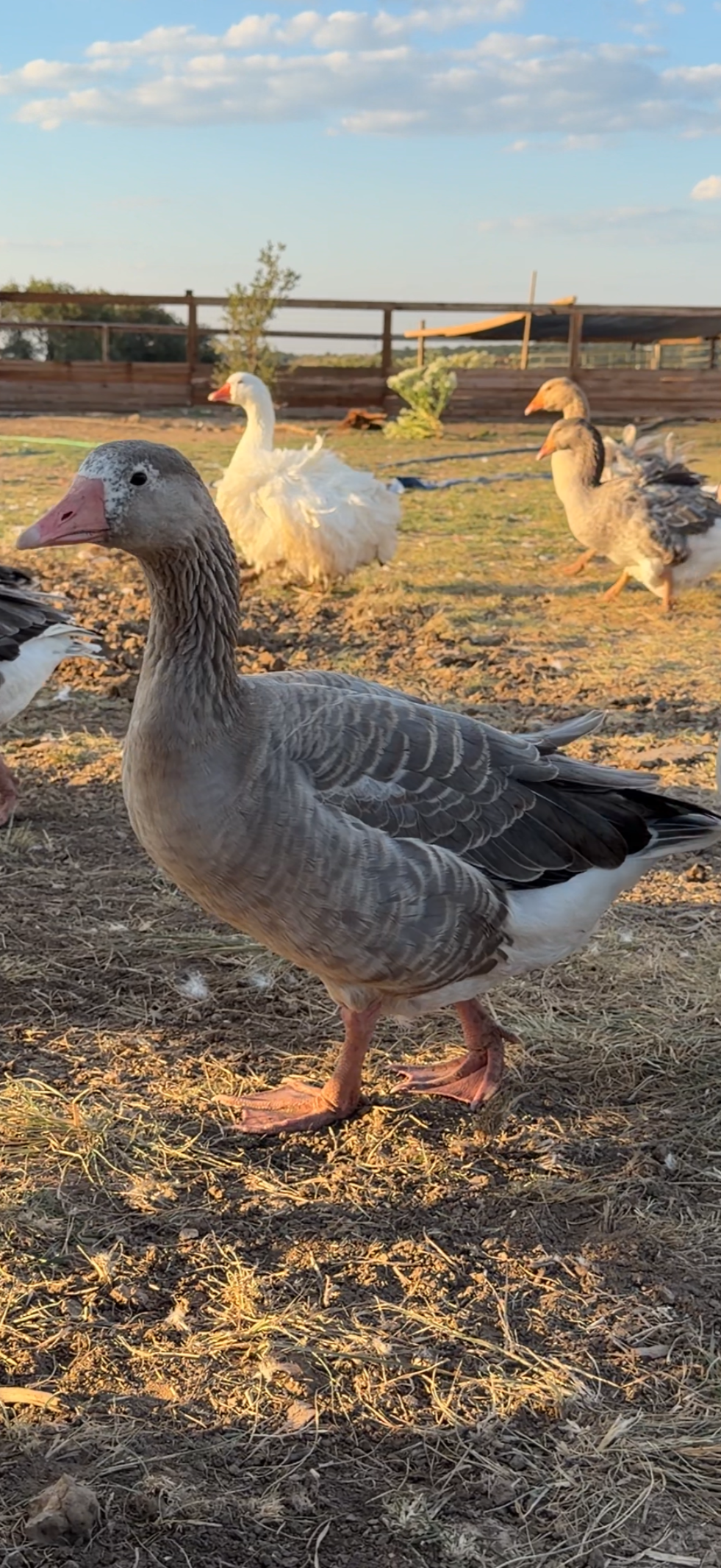 Image 3 of 9
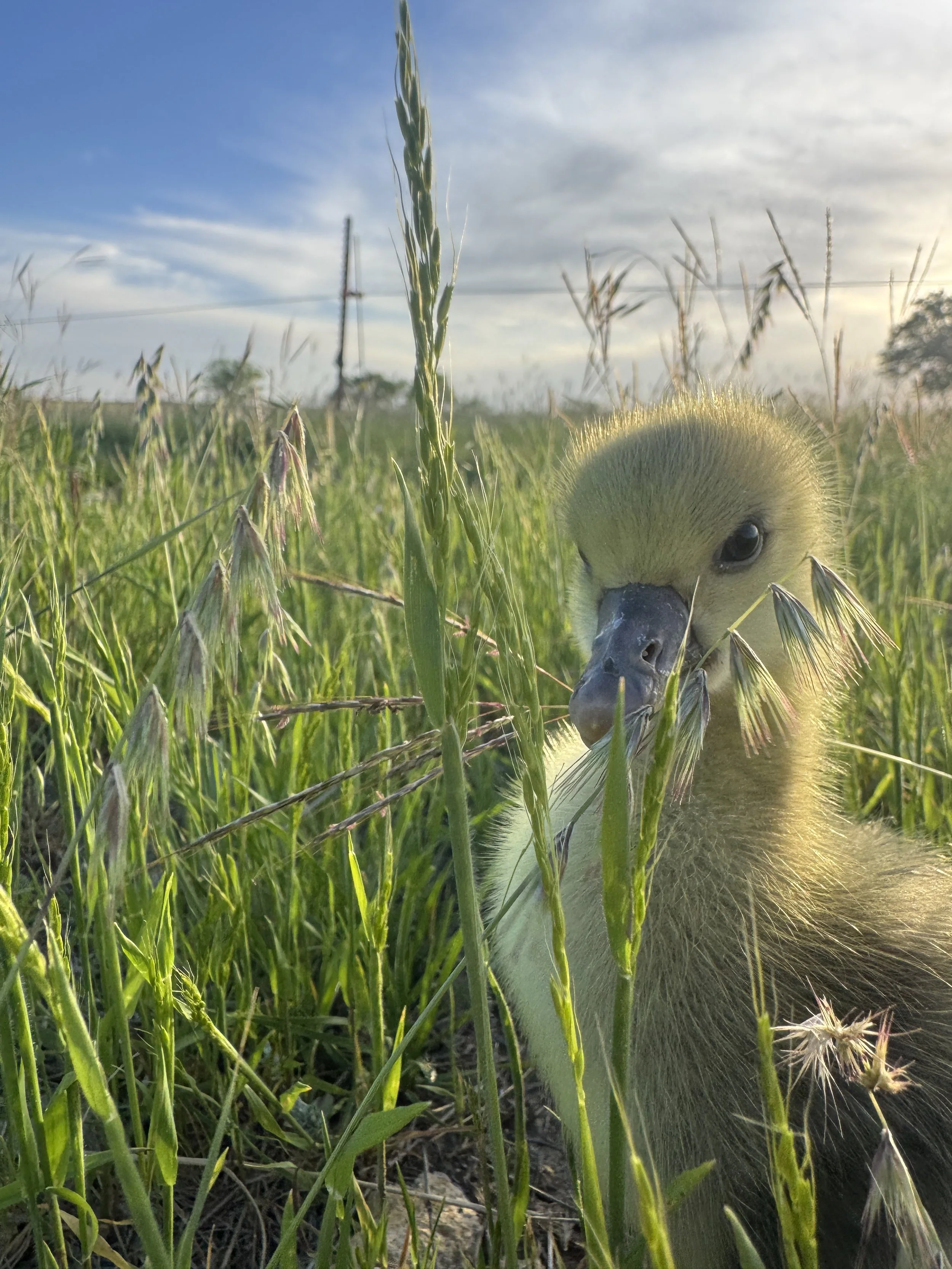 Image 4 of 9
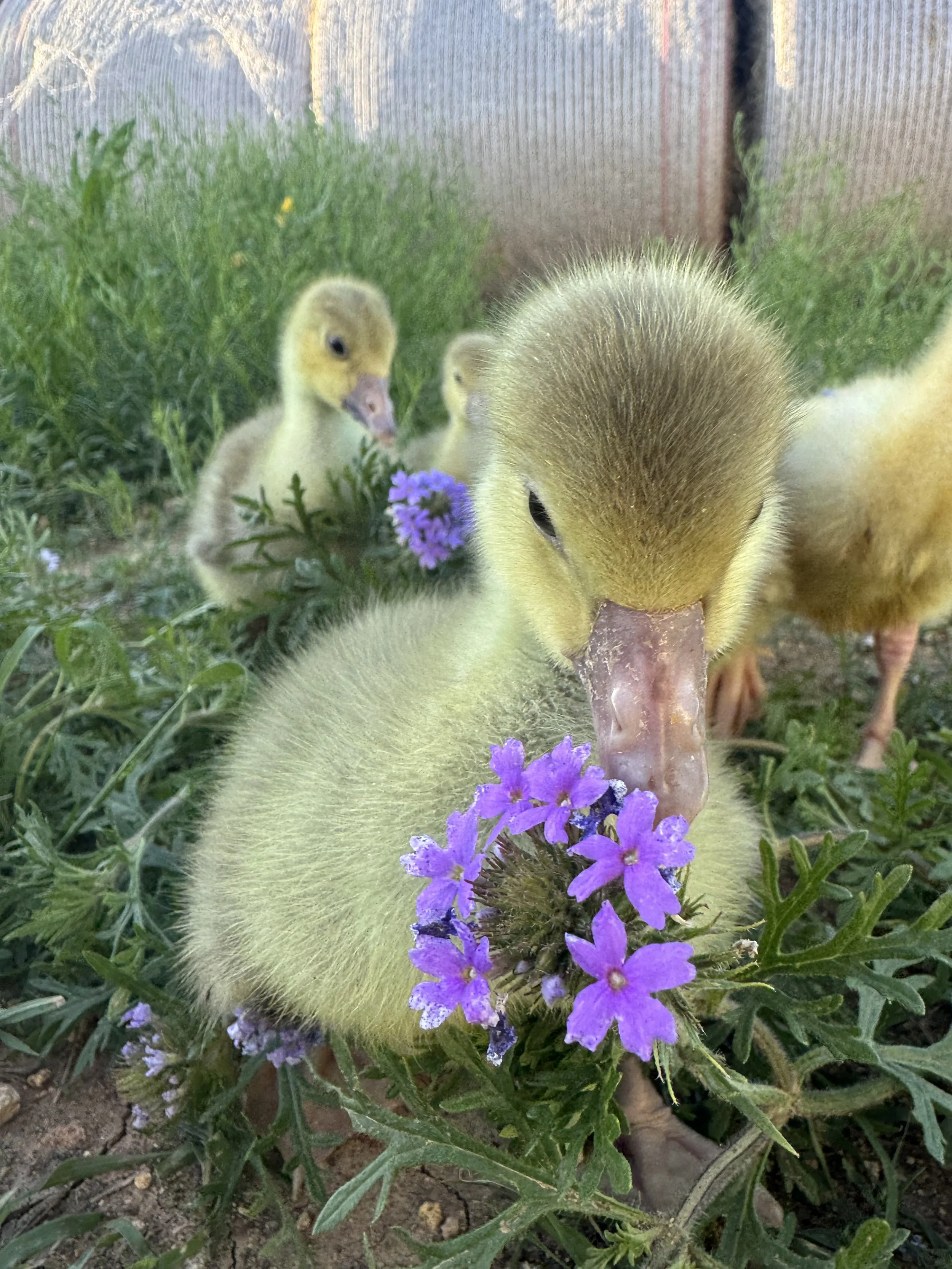 Image 5 of 9
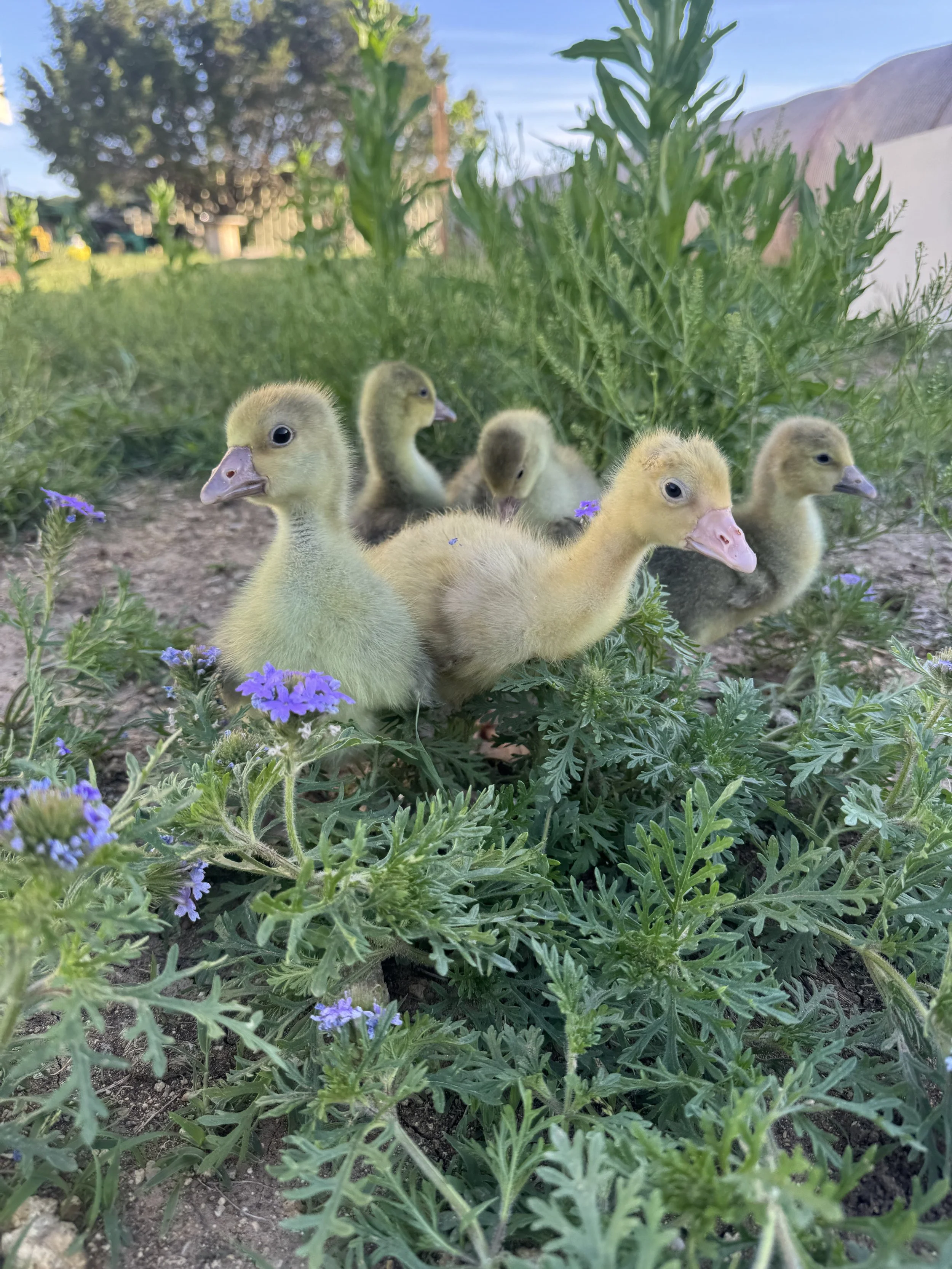 Image 6 of 9
 Image 7 of 9
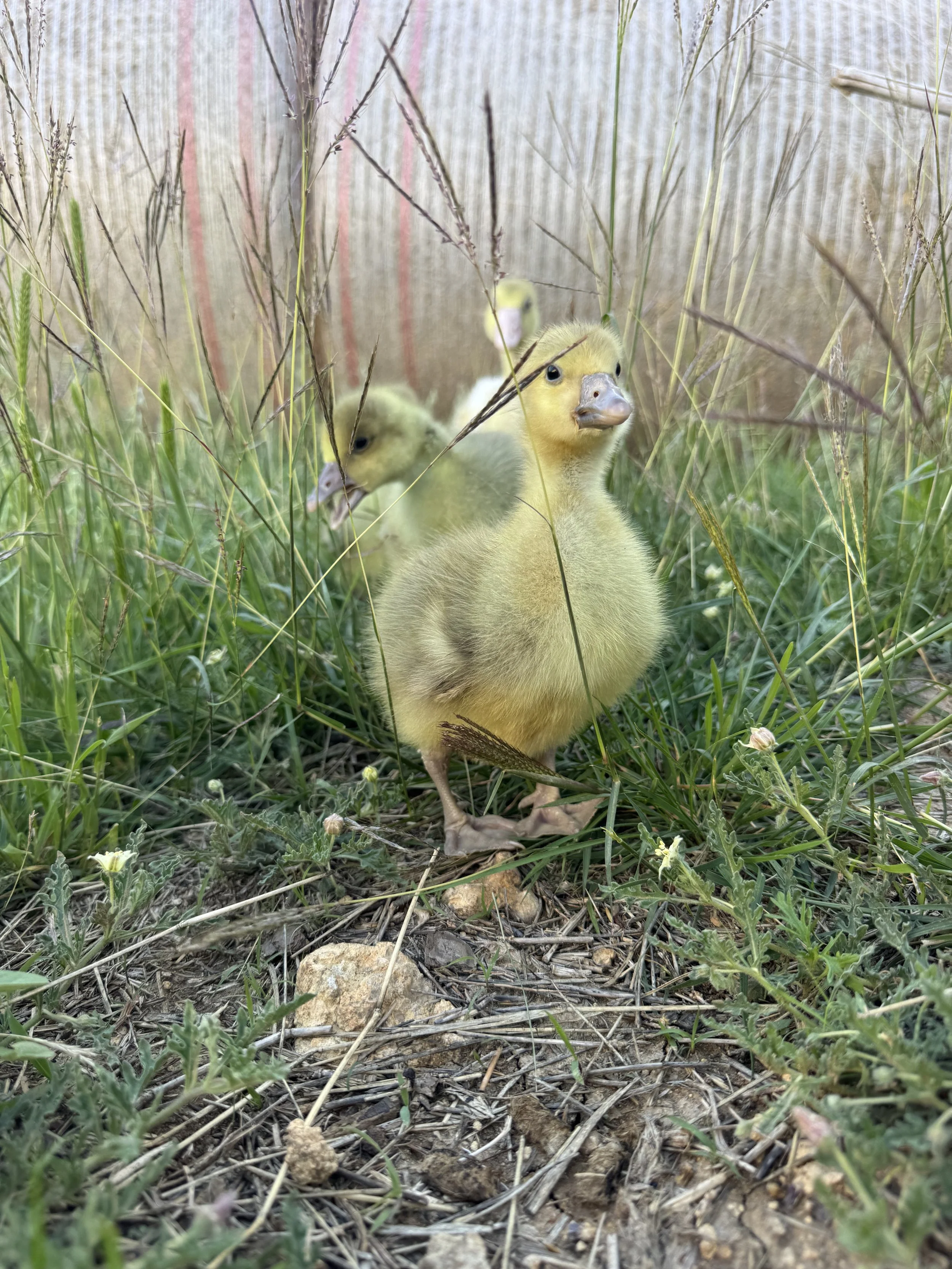 Image 8 of 9
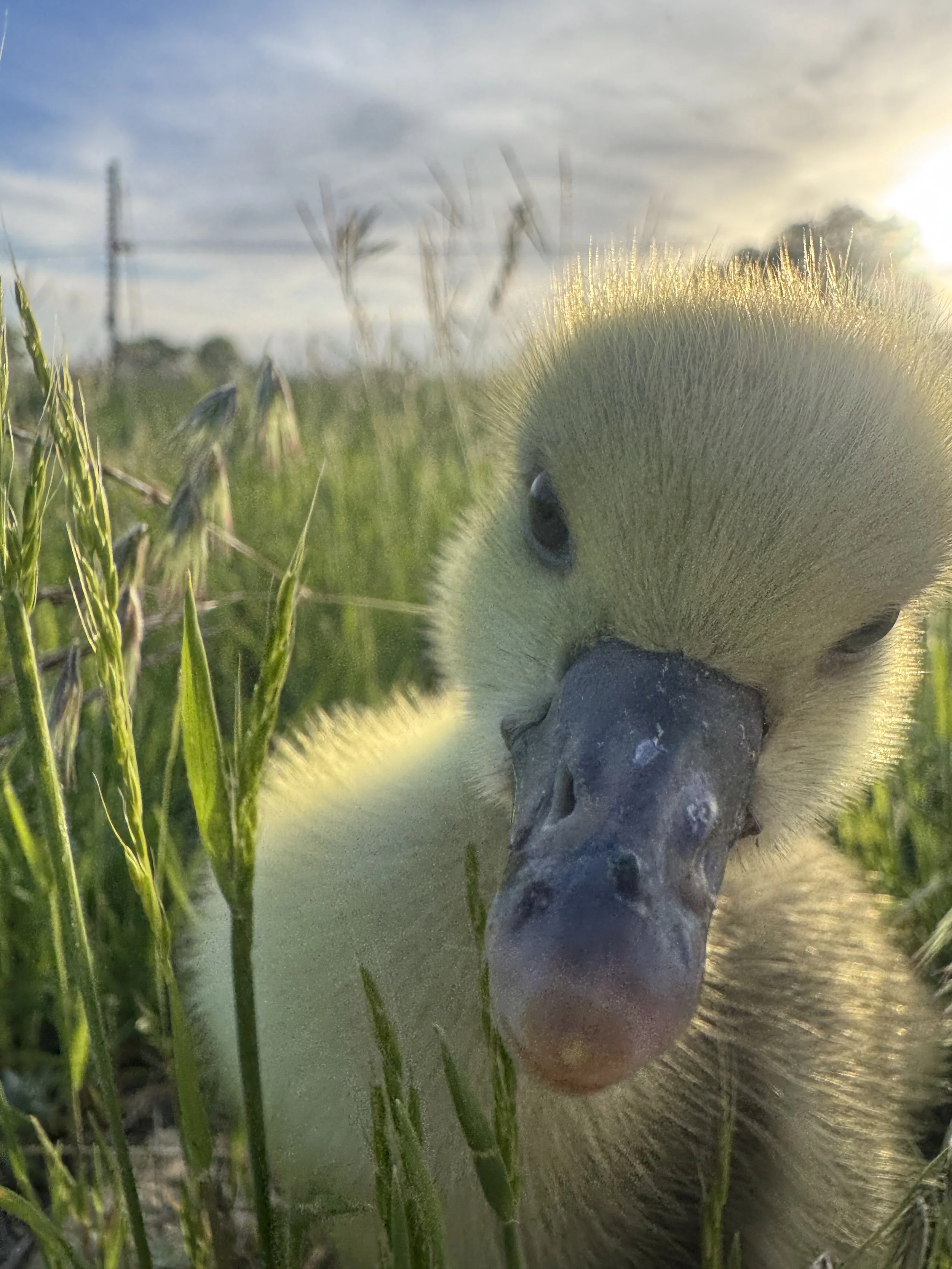 Image 9 of 9